
Pricing your first SaaS product feels like a high-stakes game of poker. If you go too high, you scare away the early adopters you desperately need for feedback. If you go too low, you devalue your hard work and attract “feature-hungry” users who churn the moment you raise rates.
The short answer: To price a SaaS product for early customers, focus on Value-Based Pricing combined with a “Design Partner” Discount. Start by identifying the manual cost your software saves the user, then offer a “Lifetime” or “Early Bird” legacy rate (typically 30–50% off) in exchange for detailed product feedback and case studies.
Key Takeaways: Pricing Your First MVP
- Avoid “Free” for Businesses: Free users rarely give the quality of feedback needed to scale. Charge something, even if it’s nominal.
- The 10x Rule: Your price should ideally be 1/10th of the economic value or time-savings you provide.
- Iterate Constantly: Your first price is not your last. Plan to review and raise prices every 6 months as the product matures.
1. Why Cost-Plus Pricing is a Trap for Startups
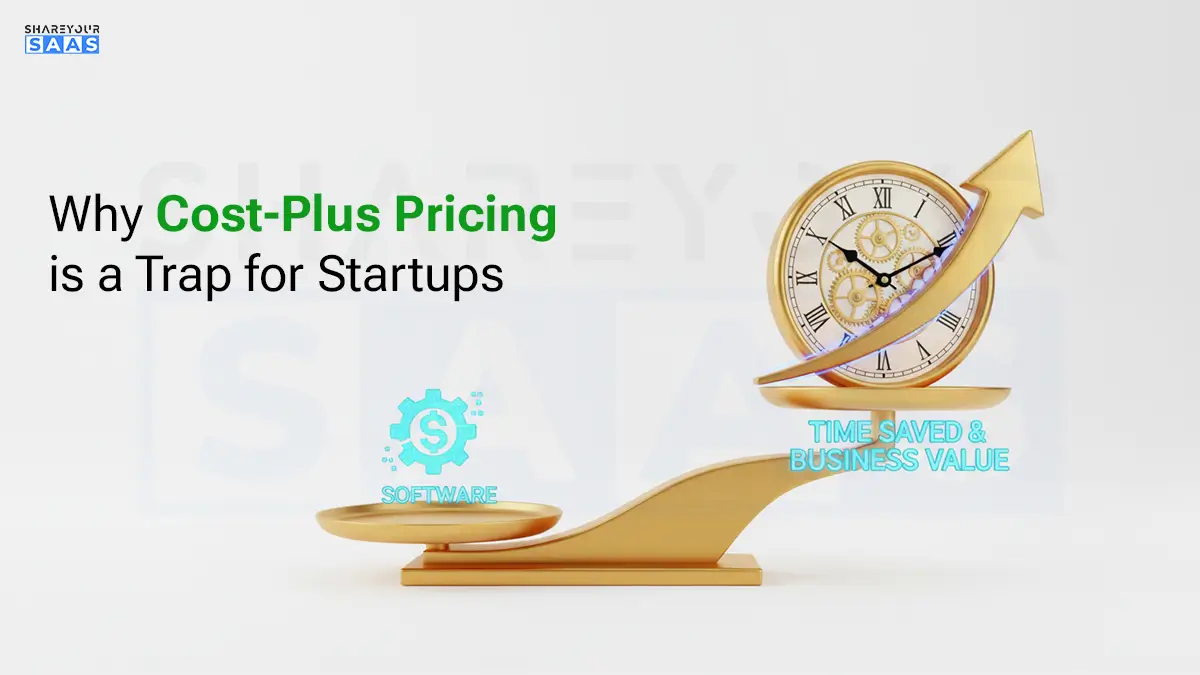
Many beginners look at their server costs, add 20%, and call it a day. In the SaaS world, this is a mistake. Your customers don’t care how much your AWS bill is; they care how much time you save them. This is why experts at Harvard Business Review suggest that value-based pricing is far more critical than tracking your internal costs.
Value is Subjective: A tool that saves a CEO 5 hours a week is worth thousands. A tool that saves an intern 5 hours might only be worth fifty dollars.
Anchor Your Price: Instead of looking at your costs, look at the “Alternative.” If a customer has to hire a freelancer to do what your software does for $500, then charging $50 feels like a bargain.

2. The “Design Partner” Model: Your Secret Weapon
Early customers aren’t just revenue; they are your research department. As highlighted in Y Combinator’s startup library, early adopters are your design partners who help iterate the product-market fit.
Be Transparent: Tell your first 10–20 customers: “You are getting a 50% discount forever because I want your brutal honesty to help me build this.”
High-Touch Service: For these early adopters, provide concierge onboarding. Their success is your future marketing material.
Case Study Agreement: Make the discounted price contingent on a testimonial or a 30-minute monthly feedback call.
3. Choosing Your Pricing Structure
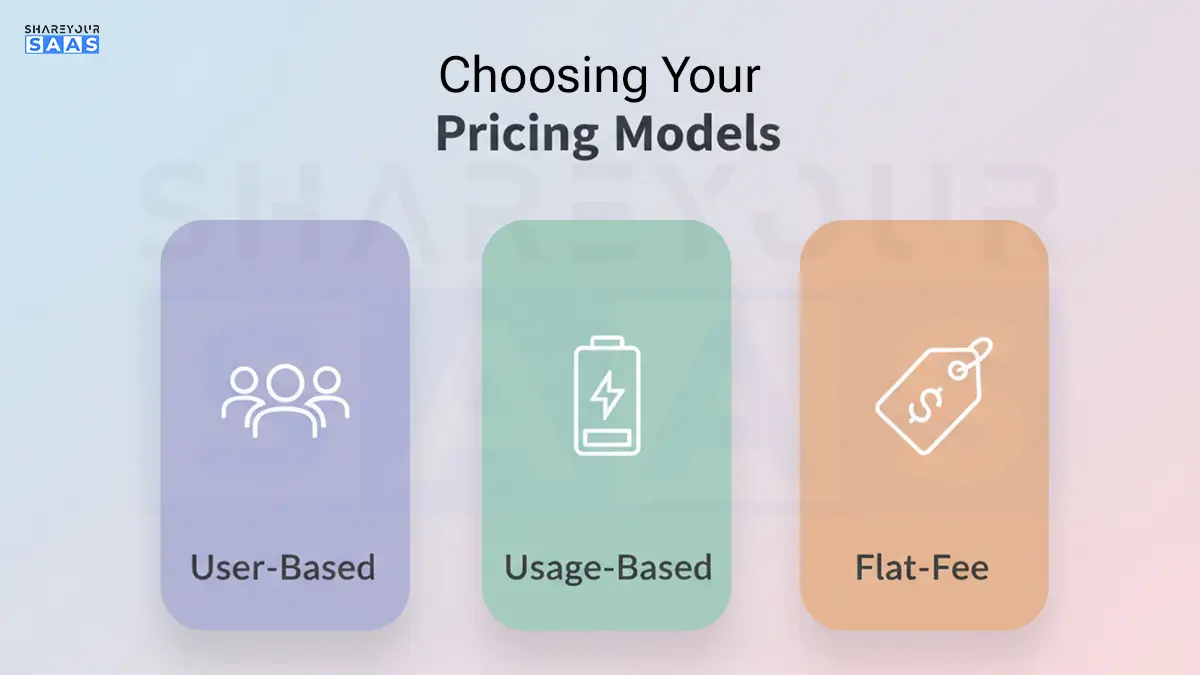
How you charge is often more important than how much you charge. According to the latest OpenView SaaS Pricing Report, more startups are moving towards hybrid models to better align with customer success.
| Model | Best For | Pros | Cons |
| Per User | Collaboration tools | Easy to understand | Can discourage team growth |
| Usage-Based | Infrastructure/API | Scales with customer success | Unpredictable revenue |
| Flat Fee | Simple utility tools | Very low friction | Leaves money on the table |
| Tiered (Good/Better/Best) | Most SaaS products | Captures different segments | Hard to balance features |
Real-World Case Studies: How Winners Priced Their MVP
Learning from those who paved the way is the best way to avoid expensive mistakes. Here is how some of the most successful SaaS models started in Western markets:
1. The “Concierge” Approach: Slack (USA)
In its early days, Slack didn’t just throw a link at people. They focused on “Design Partners.” They went into offices, watched how teams used the tool, and adjusted their value-based pricing based on team size and integration needs.
- Lesson: Price for the workflow, not just the software.
2. The “Freemium to Enterprise” Shift: Canva (Australia/Global)
Canva targeted the “Design for Everyone” niche in the US and Canada by keeping a robust free tier. However, they priced their “Pro” version specifically for small business owners who couldn’t afford a $1,000/month agency but could afford $12.95/month.
- Lesson: Identify the “Pain Point Gap” in the market and price right in the middle.
3. The “Usage-Based” Pioneer: Snowflake (USA/Canada)
Snowflake disrupted the data warehousing market by moving away from flat annual fees to a “Pay only for what you use” model. This lowered the barrier for early customers who were afraid of big upfront costs.
- Lesson: If your product costs you money per transaction, let your customers’ bills grow only as their success grows.
4. Common Pitfalls to Avoid
- The “Too Cheap” Stigma: Data from Price Intelligently by Paddle shows that charging too little can actually increase churn because users don’t perceive the product as a serious tool.
- Complex Pricing: If a customer needs a calculator to figure out their bill, they won’t sign up.
- Grandfathering: Always promise early users that their “Early Bird” rate is locked in.
FAQ: People Also Ask
1. Should I offer a Lifetime Deal (LTD)?
Only if you need immediate cash flow for development. LTDs can become a liability later as support costs for those users continue while revenue stops.
2. Is a free trial better than a “Freemium” model?
For early SaaS, a 14-day Free Trial is usually better. It creates urgency and ensures you are attracting people who are actually willing to pay.
3. When should I raise my prices?
The moment you feel “embarrassed” by how much value you are giving away for such a low price, it’s time to raise rates for new customers.
4. How do I handle “Feature Requests” from early users?
If a user asks for a feature, ask: “Would you pay an extra $20/month if I built this?” If the answer is no, it’s a “nice-to-have,” not a priority.
Final Thoughts: Price is a Pulse, Not a Statue
Pricing is a living part of your business. Don’t stress about getting it “perfect” on day one. Your early customers are buying your vision as much as they are buying your code. Treat them like partners, be fair with your value exchange, and the revenue will follow.