Most small businesses don’t have an email marketing strategy. They have a habit: a newsletter when someone remembers, a discount blast when sales dip, and a list that grows by accident. Then they conclude “email doesn’t work for us.”
Email works. Habits don’t. A strategy is a system — a short list of decisions made once (who you email, what fires automatically, what you send weekly, and what numbers tell you it’s working) that keeps producing revenue without a weekly scramble. This guide builds that system in 7 steps, in the order they actually depend on each other. Skip a step and everything downstream underperforms.
Need the tool first? Our guide to the best free email marketing tools for small business compares the platforms. This page is the strategy you run on top of whichever one you pick.
Direct answer: An email marketing strategy is a documented system running three jobs — earn attention (permission-based list building), convert it (automated flows + regular campaigns), and keep it (deliverability + list hygiene). Build in dependency order: set one goal per stage, authenticate your domain, segment by behavior, build the five core flows (welcome and abandoned-cart first), then hold a sustainable weekly rhythm and judge the program on clicks and conversions, not inflated open rates.
What an email marketing strategy actually is
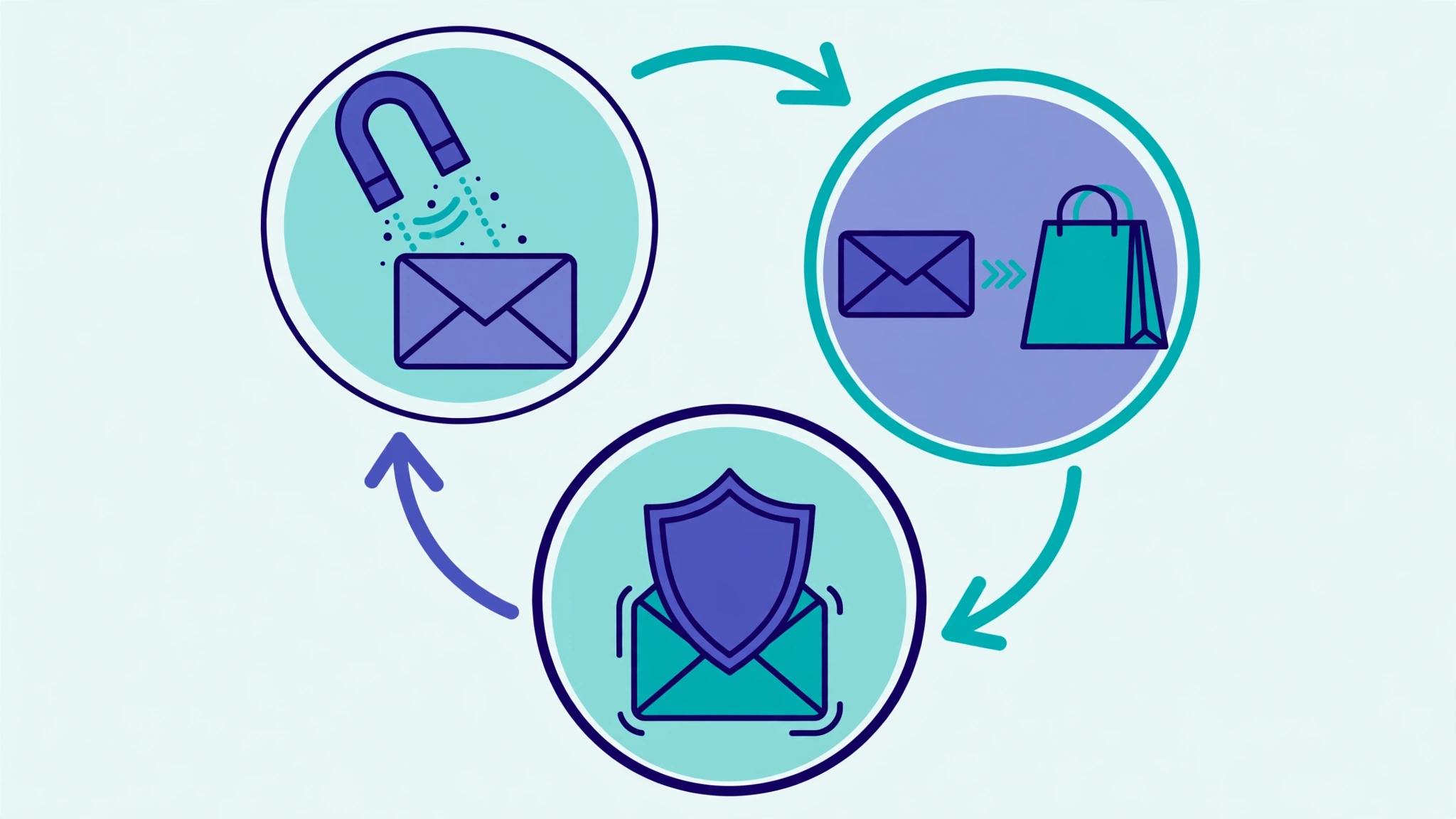
An email marketing strategy is a documented plan that connects three jobs:
- Earn attention — get the right people onto your list, with permission and clear expectations.
- Convert attention — automated flows and regular campaigns that turn subscribers into buyers.
- Keep attention — list hygiene and relevance that protect deliverability, so job one and two keep working next quarter.
Every tactic you’ve ever read about — subject lines, segmentation, A/B tests — is a servant of one of those three jobs. When a tactic doesn’t map to a job, it’s noise. The 7 steps below build the three jobs in order.
The 7-step email marketing strategy
Step 1: Set one goal per stage (before you write a single email)
Strategy starts with numbers, not copy. Pick one primary metric for each job: list growth rate for earning attention, revenue per email (or conversion rate) for converting it, and click rate plus unsubscribe rate for keeping it. Open rates used to be the default metric; since Apple Mail Privacy Protection began pre-loading emails, opens are inflated and unreliable — treat them as a rough directional signal and judge your program on clicks and conversions instead.
Write the goals down with a review date. “Grow the list 5% monthly, hold click rate above 2%, keep unsubscribes under 0.5%” is a strategy input. “Send more email” is not.
Step 2: Earn the list — permission and expectations
List quality beats list size at every stage after this one. AWeber’s small-business research keeps finding the same pattern: businesses with engaged lists report effective email programs far more often than businesses with merely large ones.
- Say exactly what subscribers get. “Weekly tips on running a better bakery” outperforms “Join our newsletter” because it filters for intent.
- Put forms where intent already exists: checkout, your most-read blog posts, post-purchase pages — not just a footer afterthought.
- Never buy or rent lists. Purchased addresses bring spam complaints, and complaints are the fastest way to destroy the deliverability everything else depends on.
- Deliver the promised lead magnet instantly and make the first email the best one — it sets the open habit.
Step 3: Fix deliverability before you need it (authentication is not optional)
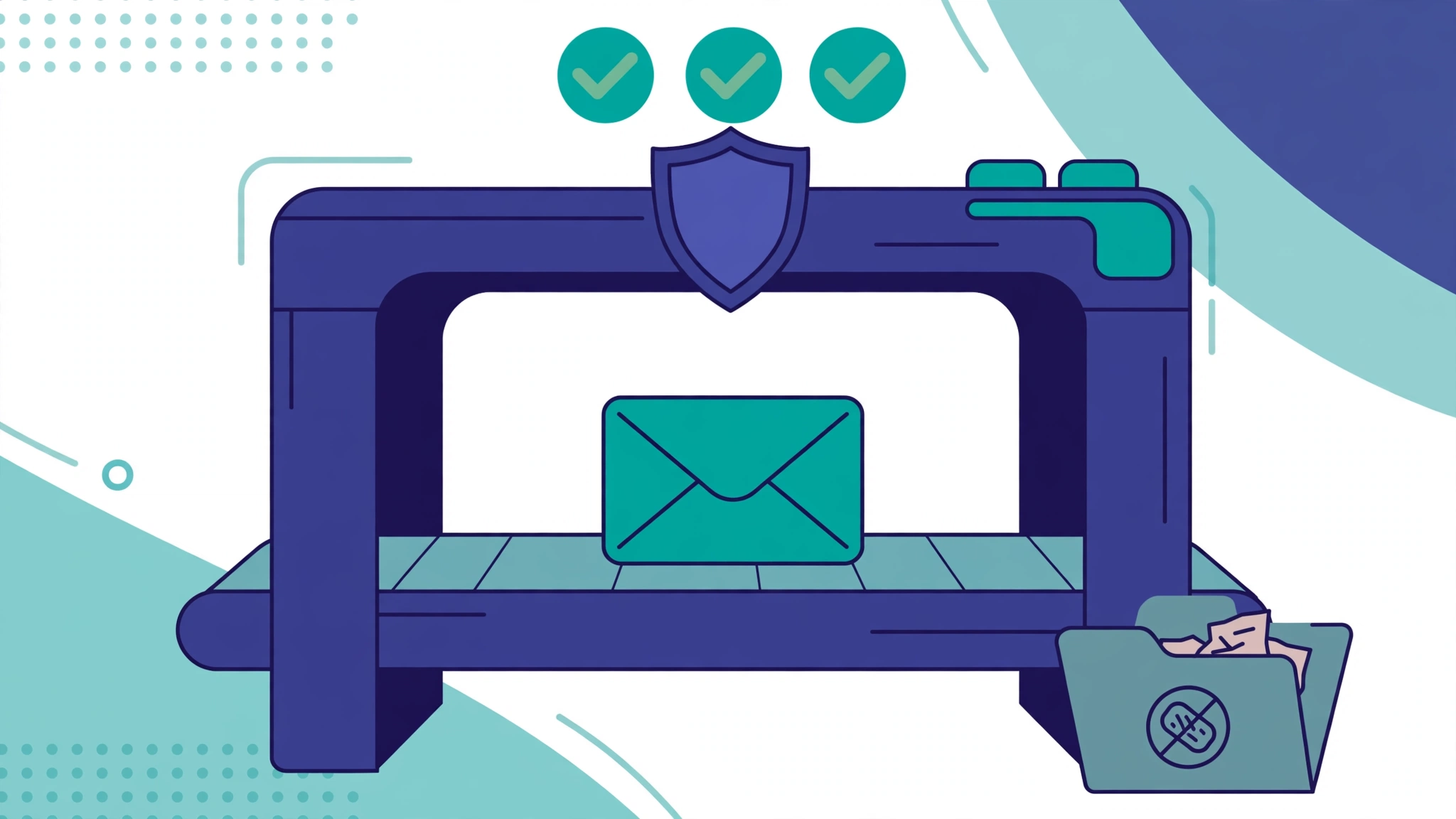
Since 2024, Google and Yahoo require bulk senders to authenticate their domains and keep spam complaints low. This is now the foundation, not an advanced topic:
- SPF, DKIM, and DMARC set up on your sending domain — your email platform has a guided setup; do it before your first campaign, not after your first spam-folder problem.
- One-click unsubscribe in every promotional email (required for bulk senders, and it converts would-be spam complaints into harmless unsubscribes).
- Keep spam complaints under 0.3% — that’s the enforcement line; healthy programs stay under 0.1%.
- Send from your own domain, never a free Gmail/Yahoo address, and warm up any new domain gradually with your most engaged contacts first.
Step 4: Segment by behavior, not just demographics
Segmentation is where strategy starts paying. You don’t need twenty segments — start with four:
- Engaged (opened or clicked in 90 days) — your primary sending audience.
- Customers vs. not-yet-customers — different offers, different tone.
- Interest or product category — based on what they browsed, clicked, or bought.
- Going quiet (no engagement in 90–180 days) — the win-back audience, handled in Step 5.
Send most campaigns to segment 1 plus the relevant slice of 2–3. Mailing your whole list every time trains inbox providers to see low engagement — and low engagement is what moves you to the promotions tab or spam.
Step 5: Build the 5 core flows before you send another campaign
Automated flows are the highest-leverage part of any email marketing strategy because they sell while you sleep, triggered by what subscribers actually do. Industry analyses commonly attribute the majority of email revenue to flows rather than one-off campaigns — for stores, abandoned-cart flows alone are often credited with 15–30% of email revenue (directional figures, not guarantees). Build these five first:
| Flow | Trigger | Shape |
|---|---|---|
| Welcome series | Signup | 3–5 emails over 5–7 days: deliver the promise, tell your story, best content, soft offer |
| Abandoned cart / checkout | Cart started, not purchased | Email at ~1 hour, ~24 hours, ~72 hours — reminder, help/objections, last call |
| Browse abandonment | Product viewed, no cart | 1–2 emails within 24–48 hours featuring the viewed item |
| Post-purchase | Order placed | Thank-you + usage tips, then a review request, then a related recommendation |
| Win-back | No engagement for 90–180 days | 2–3 emails: “we miss you,” best-of content, final “should we stay in touch?” — then suppress non-responders |
Store owners: our email marketing tools for Shopify guide compares how deeply each platform builds exactly these flows. And if writing flow copy is your bottleneck, our AI email marketing tools roundup shows which plan tiers include real AI drafting help.
Step 6: Set a campaign rhythm you can sustain
With flows carrying the conversion load, campaigns carry the relationship. A sustainable default for most small businesses:
- Cadence: start at 2 sends per month; move to weekly once you have a reliable content supply. Consistency beats intensity — a predictable monthly email outperforms a burst-then-silence pattern with both subscribers and inbox providers.
- The 80/20 balance: roughly 80% genuinely useful content (teach, entertain, curate) to 20% direct selling. The useful 80% is what makes the selling 20% get opened.
- Content pillars: pick 3 recurring themes tied to customer problems, so “what do we send this week?” always has an answer.
- Seasonal spikes: plan Q4 early — and if you sell software or tools, track seasonal discount windows like the ones in our Black Friday email marketing deals tracker for your own buying, too.
Step 7: Measure against benchmarks, test one thing at a time
Review monthly against these directional small-business ranges (compiled from 2026 industry guides — your niche will shift them):
| Metric | Healthy range | If you’re below it |
|---|---|---|
| Click-through rate | 2–5% | Relevance problem: segment tighter, one clear CTA per email |
| Conversion rate | 0.5–2% | Offer/audience mismatch, or the landing page — not the email — is the leak |
| Unsubscribe rate | Under 0.5% per send | Frequency too high or expectations were set wrong at signup |
| Spam complaints | Under 0.1% (hard limit 0.3%) | Stop and audit list sources immediately — this is a deliverability emergency |
| List growth | Positive net, monthly | Your capture points and lead magnet need work (Step 2) |
| Open rate | 20–30%+ (directional only) | Apple MPP inflates this metric; use it for subject-line trends, not verdicts |
Then test deliberately: one variable per test (subject line, send time, CTA), a real sample size, and a written result. A simple testing log turns a year of campaigns into compounding knowledge instead of repeated guesses.
Your 30-60-90 day rollout
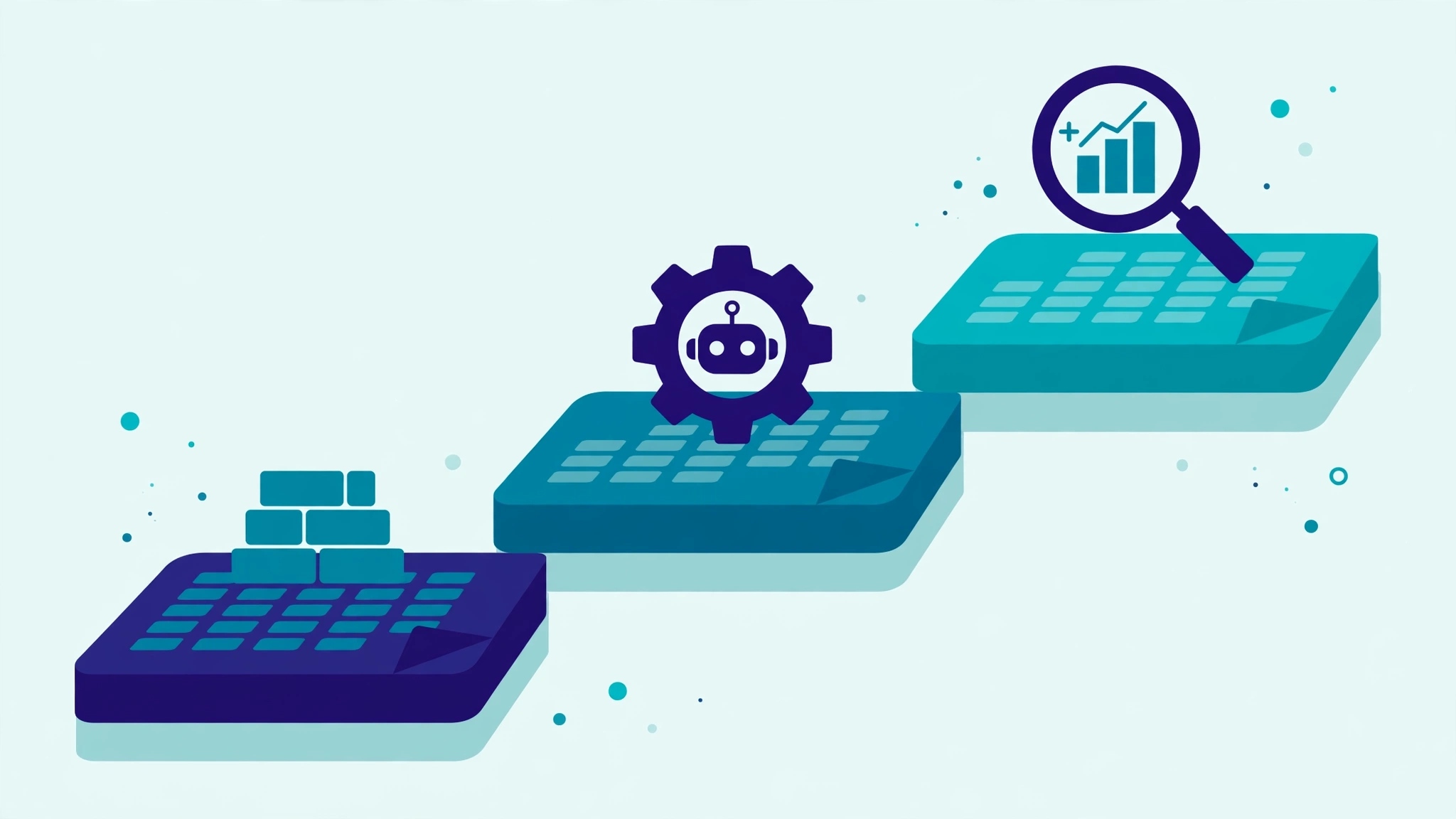
Days 1–30 — Foundation. Authenticate your domain (SPF/DKIM/DMARC), clean the list you have, rewrite your signup forms with a specific promise, and launch the welcome series. Pick your three metrics and record the baseline.
Days 31–60 — Automation. Build the remaining four flows (cart, browse, post-purchase, win-back). Set up the four starter segments. Begin the campaign rhythm at two sends per month.
Days 61–90 — Optimization. First benchmark review against the table above. Start the A/B testing log with subject lines. Suppress chronic non-engagers from regular sends. Decide — with data — whether cadence goes weekly.
A worked example: the Austin home-goods store
A small Austin home-goods retailer came to email the way most stores do: a 6,000-address list built over years, a monthly “newsletter” that was really a discount announcement, and no automations at all. The rebuild followed the steps above: domain authenticated in week one (their campaigns had been landing in Promotions, partly on reputation), the list segmented so the 2,100 genuinely engaged subscribers became the core audience, and the five flows built across month two — the welcome series and abandoned-cart flow first.
Ninety days in, the pattern matched what the benchmarks predict: total sends went down (fewer full-list blasts), while clicks and email-attributed orders went up, because most email was now triggered by behavior instead of broadcast at everyone. The owner’s summary is the whole strategy in one line: “We stopped shouting at the whole list and started answering what people were already doing.”
5 email marketing strategy mistakes that quietly kill results
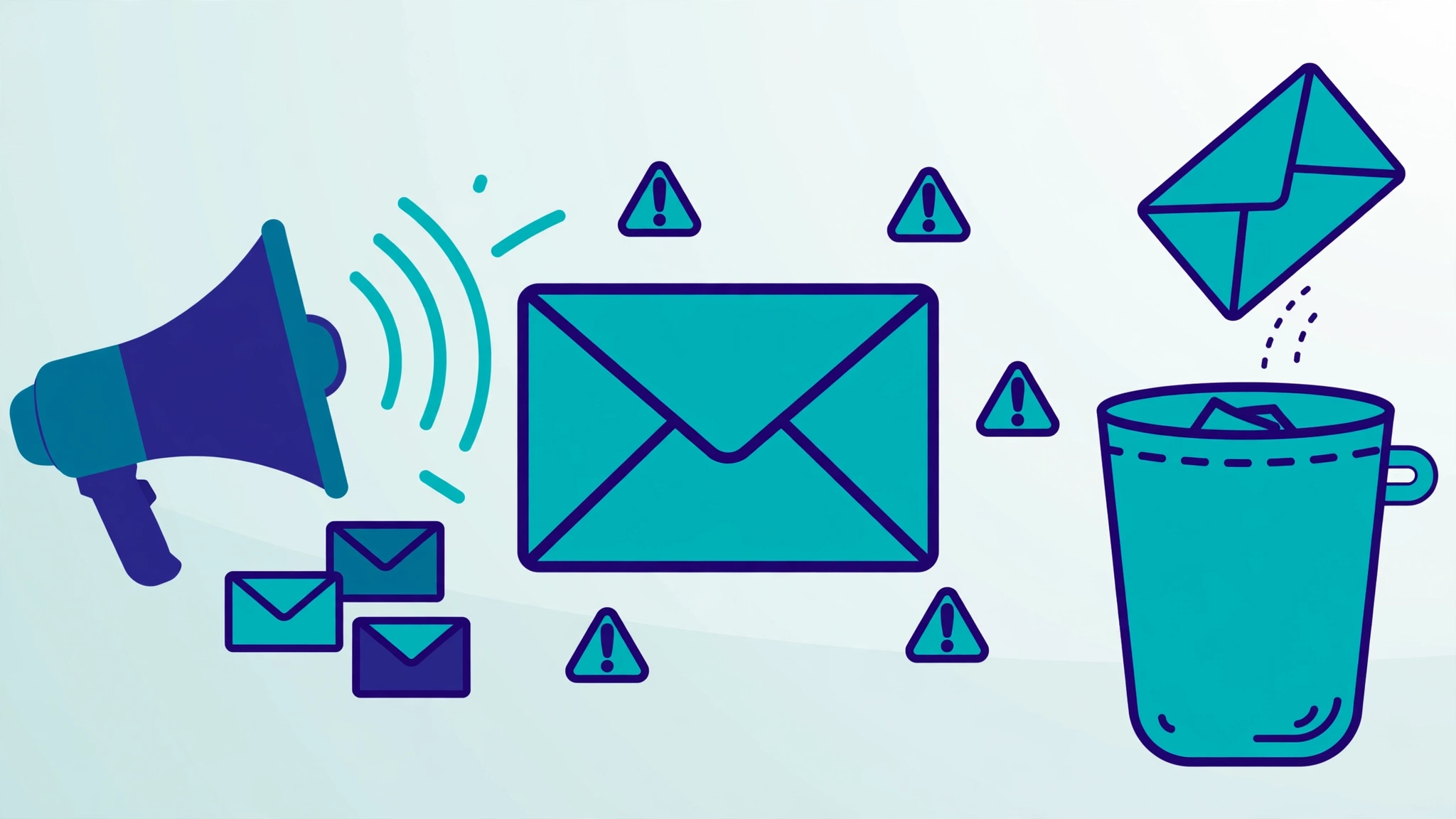
- Treating email as announcements only. If every email is a sale, subscribers learn to ignore you between sales. The 80/20 balance exists to protect the selling emails.
- Mailing the whole list every time. Chronic non-engagers drag your engagement signals down and hurt inbox placement for everyone — including your best customers.
- Skipping authentication. In 2026, unauthenticated bulk email isn’t a minor technicality; it’s a spam-folder sentence.
- Building campaigns before flows. Campaigns expire in a day. Flows — welcome, cart, win-back — compound for years. Build the assets first.
- Judging by open rates alone. Privacy features have made opens unreliable. Businesses that steer by clicks, conversions, and revenue per email make better decisions than those chasing a vanity metric.
FAQs
What is an email marketing strategy?
It’s the documented system behind your email program: who you email (and how they got on the list), what automated flows run, what campaigns you send and how often, and which metrics define success. Tactics like subject lines serve the strategy — they aren’t a substitute for one.
How do I create an email marketing strategy for a small business?
Follow the dependency order: set one goal per stage, build a permission-based list with clear expectations, authenticate your domain, segment by behavior, build the five core flows, set a sustainable campaign rhythm, then measure against benchmarks and test one variable at a time.
How often should a small business send marketing emails?
Start at twice a month and move to weekly once you can sustain quality. Consistency matters more than frequency — and your automated flows, which most businesses under-build, will quietly send more email than your campaigns do.
What is a good email open rate and click rate in 2026?
Click-through rate of 2–5% is a healthy small-business range; unsubscribe rates should stay under 0.5% per send. Open rates of 20–30% look normal but are inflated by Apple Mail Privacy Protection — use them only for spotting trends.
Which email flows matter most?
The welcome series and abandoned-cart flow first — they touch your warmest audiences at the highest-intent moments. Then post-purchase (for reviews and repeat orders), browse abandonment, and win-back for going-quiet subscribers.
How much should a small business budget for email marketing?
The tool can be $0 — several platforms have genuinely useful free tiers, and even paid plans at small list sizes run $9–20/month. The real budget is time: roughly 2–4 hours a week to run the system above. Industry estimates commonly cite email returning $36–$42 per $1 spent, but treat that as a directional industry figure, not a promise — your return depends on list quality and the flows you build.
Methodology
This guide was rebuilt in October 2026 from current small-business email guidance (including AWeber’s staged strategy framework and 2026 deliverability requirements from Google and Yahoo sender rules) and our own published tool research on this site. Benchmarks are directional ranges compiled from multiple 2026 industry guides; revenue-share figures for automated flows are attributed industry estimates. No tactic here guarantees specific results — the system improves the odds, the execution decides.